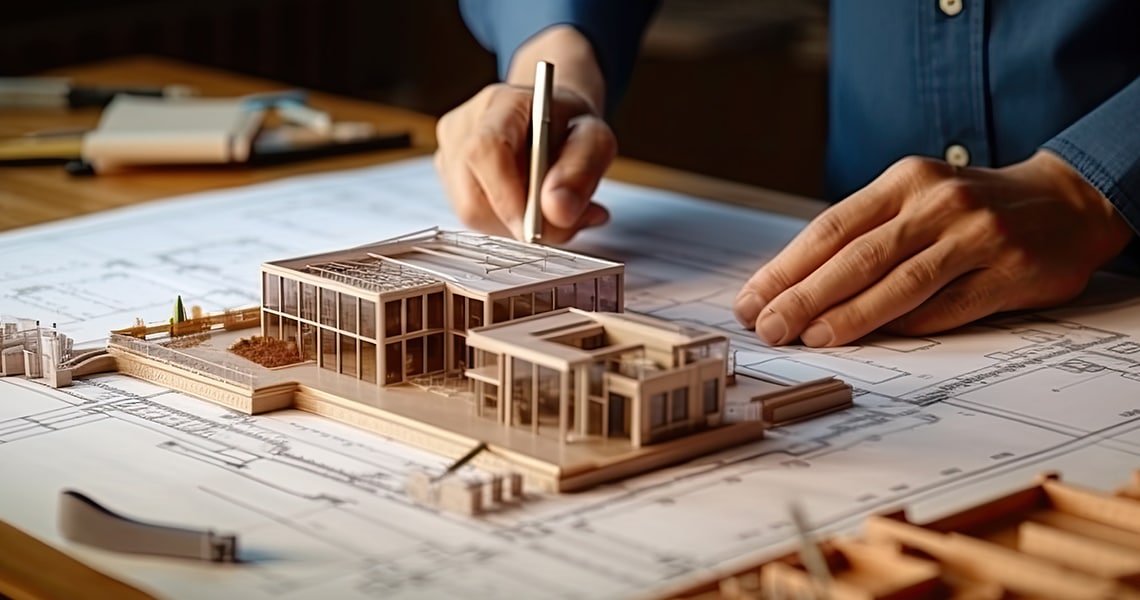
Commercial architecture continues to evolve as businesses adapt to changing customer expectations, technological advancements, and environmental responsibilities. Modern commercial buildings are no longer designed only for appearance. They now focus on functionality, employee well-being, sustainability, and long-term operational efficiency. Architects are introducing innovative design solutions that create flexible and attractive business spaces while improving energy performance and user experience. Understanding these architectural trends can help businesses make informed decisions when planning new commercial developments.
Sustainability has become one of the most important trends in commercial architecture. Businesses are increasingly investing in environmentally responsible buildings that reduce energy consumption and minimize environmental impact. Architects incorporate energy-efficient lighting, solar panels, water-saving fixtures, improved insulation, and sustainable construction materials into their designs. These features lower operating costs while supporting environmental conservation and helping businesses meet modern sustainability goals.
Modern businesses require workspaces that can easily adapt to changing needs. Commercial architects are designing flexible layouts with movable partitions, open floor plans, and multipurpose areas that can be modified without major renovations. This flexibility allows companies to expand departments, create collaborative spaces, or accommodate changing business operations as their needs evolve over time.
Technology has become an essential part of commercial architecture. Smart building systems improve energy management, security, lighting, heating, and ventilation through automated controls. These technologies allow businesses to monitor building performance, reduce maintenance costs, and improve overall efficiency. Architects now integrate digital infrastructure during the planning stage to ensure commercial buildings remain ready for future technological developments.
Employee health and productivity have become key priorities in workplace design. Commercial architects create environments that promote comfort through natural lighting, improved ventilation, comfortable workspaces, and access to outdoor areas. Large windows, green spaces, quiet meeting rooms, and ergonomic layouts contribute to healthier working conditions and higher employee satisfaction. Businesses recognize that well-designed workplaces can improve productivity while supporting employee retention.
Mixed-use commercial buildings continue to grow in popularity. These developments combine offices, retail stores, restaurants, entertainment spaces, and residential units within a single property. Architects carefully design these projects to maximize convenience while encouraging community interaction. Mixed-use developments provide businesses with greater customer traffic and create vibrant environments that remain active throughout the day.
Contemporary commercial buildings emphasize clean architectural lines, large glass facades, attractive landscaping, and durable exterior materials. Architects combine modern aesthetics with practical design features that improve energy efficiency and maintenance. A visually appealing exterior strengthens a company's brand image while making the property more attractive to customers, tenants, and investors.
Commercial architects increasingly focus on designing buildings that consume less energy without sacrificing comfort. High-performance windows, advanced insulation, efficient HVAC systems, and natural ventilation contribute to lower energy usage. These design strategies reduce operating expenses while helping businesses comply with modern environmental regulations and green building standards.
Architects now design commercial properties with future growth in mind. Buildings are planned to support new technologies, changing workforce requirements, and business expansion. Adaptable infrastructure, flexible floor plans, and scalable building systems help businesses remain competitive as market demands continue to evolve.
Commercial architecture is moving toward smarter, greener, and more adaptable building designs. Sustainability, flexible workspaces, smart technology, employee wellness, and energy efficiency are shaping the future of commercial construction. Businesses that embrace these architectural trends benefit from lower operating costs, improved workplace environments, and stronger long-term property value. Working with experienced commercial architects ensures that new commercial buildings not only meet today's business requirements but are also prepared for future opportunities and changing industry demands.
Contact Us
Rothamel Building Company
Address: 126 Oldwick Rd Floor 2, White House Station, NJ 08889, United States
Phone: +1 908-200-9200
Email: info@rothamelcompanies.com
Website: https://rothamelcompanies.com/architectural-firms-nj/
Google Site: https://sites.google.com/view/best-architectural-firms-in-nj/